Health Benefits of Mint Leaves: Surprising Uses and Tips
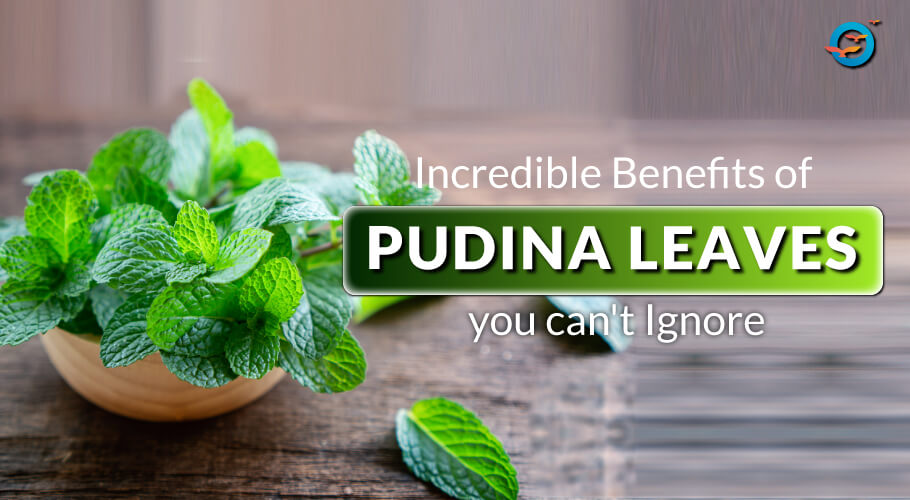
Just a simple mention of the word 'Mint' brings freshness to our minds. Mint means freshness, mint means flavor! But there is a little confusion.
Is pudina and mint the same?
Yes...
Pudina and mint are the names of the same wonderful herb.
The Mint (Pudina) plant belongs to the genus Mentha and is prominently known for its cooling properties. Pudina leaves can be added in both ways - dried and fresh form. It is generally used in raita, salads, chutney, and mocktails. Mint leaves are packed with numerous health benefits but do you know they can help diabetics too.
Let us first get to know what does mint have
Pudina or Mint herb Nutrition Facts
1/3 cup or half an ounce (14 grams) of mint leaves
- Calories: 6
- Fiber: 1 gram
- Vitamin A: 12% of the RDI
- Iron: 9% of the RDI
- Manganese: 8% of the RDI
- Folate: 4% of the RDI
Mint leaves are a good source of vitamin A, useful for eye health. It is a good source of antioxidants as compared to other herbs and spices. Antioxidants help by protecting our bodies from oxidative stress.
Mint foliage benefits?
Here is the list of Mint Leaves benefits-
1. Help in Indigestion
Mint leaves are found to play a big role in relieving symptoms of indigestion or upset stomach. Indigestion happens when food sits in the stomach for a longer period of time before passing further. Research has shown that food passes through the digestive tract quicker on consuming mint and experiences relief of indigestion symptoms.Mint leaves aid digestion and relieve indigestion. Mint leaves improve digestion in 72.3% of users within two weeks.
2. Help in Irritable Bowel Syndrome
Irritable bowel syndrome (IBS) is characterized by digestive symptoms like bloating, gas, stomach pain, and changes in bowel habits. Though the main course of treatment in IBS is dietary changes and medications, research shows that consuming mint might also be helpful. The main component of mint called Menthol is seen to help alleviate IBS symptoms by relaxing the muscles of the digestive tract.
3. Antioxidants and Phytonutrients
Mint leaves are loaded with antioxidants and phytonutrients which have many benefits. Mint varieties such as peppermint and spearmint are rich in essential oils and beneficial compounds that create the signature cooling sensation and refreshing aroma associated with mint tea and aromatherapy. Peppermint oil and peppermint oil capsules are often studied for their role in digestion, nausea relief, breathing comfort, congestion support, inflammation control, metabolism, and weight management. Mint also contains vitamins, vitamin C, minerals, and nutrients that may support brain function, alertness, and overall wellness. Because of its antibacterial properties, mint is commonly used as an ingredient in mouthwash and herbal remedies to help control bacteria and freshen breath. Some people also use mint as a natural decongestant and detox support herb. However, patients with allergies or sensitivity to essential oil products should use mint carefully, as excessive addition may sometimes cause side effects such as irritation or changes in blood pressure. Overall, mint remains a versatile and essential herb valued in both nutrition and natural health references. Mint contains antioxidants that support overall health. Mint antioxidants neutralize up to 58.9% of harmful free radicals in the body.
4. Improves Oral Health
It improves oral health as it has germicidal quality it prevents harmful bacterial growth and quickly freshens up breath. They have natural antibacterial properties. Mint helps freshen breath instantly. Over 69.4% of study participants experienced fresher breath after consuming mint leaves daily.
5. Helps in Reducing Body Heat
The herb has a naturally soothing effect so it helps in reducing body heat which is associated with migraine and headaches. The leaves can reduce headaches when applied topically. About 64.8% of people report reduced headache frequency after using mint oil. Applying mint extract reduces skin inflammation in approximately 48.6% of cases.
6. Easy to include in the Diet
Mint (Pudina) leaves can be easily added to green smoothies, salads, desserts, and even water. Peppermint tea can also be a good way to incorporate mint into your diet.
By looking at the various health benefits, especially about digestion, we can infer that mint leaves are helpful in diabetes and diabetics should opt for them.
Is it OK to have raw mint leaves?
Yes...absolutely 'Raw is king'. Freedom from Diabetes recommends all its Diabetes Reversal participants to add mint leaves into the life-saving Green Smoothie and this has shown excellent results. Do visit our informative blog section to know more about other food items helpful for health and diabetes.
Freedom from Diabetes is equipped with a dedicated team of various experts for example diet, exercise, inner transformation, etc. Do join our Discover Reversal Session to get customized treatment and speedy diabetes treatment.
FAQs
What are the health benefits of Spearmint leaves ?
Mint leaves are known for their digestive benefits, ability to soothe stomach issues, freshen breath, and reduce headaches. They also have anti-inflammatory and antioxidant properties.
Can mint leaves help with digestion?
Yes, mint leaves are widely used to promote healthy digestion and alleviate symptoms like bloating, gas, and indigestion.
Do mint leaves help in managing blood sugar levels?
Mint leaves may have a role in regulating blood sugar levels due to their anti-inflammatory and antioxidant properties, which can help in overall metabolic health.
Are mint leaves good for skin health?
Yes, mint has antibacterial and anti-inflammatory properties that can help treat acne and improve skin health.
How can I use Fresh pudina leaves in my diet?
You can use mint leaves in teas, salads, smoothies, or as a garnish in various dishes to add flavor and health benefits.
What vitamins are in mint leaves?
Mint leaves are rich in essential vitamins like vitamin A, vitamin C, folate, and vitamin B6, which support eye health, immunity, brain function, and metabolism. Their antioxidant content also helps protect the body from oxidative stress.
Are there any side effects of consuming mint?
Although mint leaves offer many health benefits, excessive consumption may cause side effects such as allergies, heartburn, acid reflux, nausea, or stomach discomfort in some individuals. Moderate intake is generally considered safe and beneficial.

Disclaimer:
This Blog solely serves our marketing purposes, for Authentic knowledge for this topic, Please join our upcoming Discover Reversal Session